

If you run a restaurant, bar, cafe, or hotel anywhere in Tampa’s Westshore district, from the airport hotels to the restaurants around International Plaza, your ice machine is quietly one of the hardest working pieces of equipment you own. It runs every hour you are open, all through a Florida summer, and nobody thinks about it until the bin runs low in the middle of a Friday dinner rush. On a Scotsman C0522MW-1E, the single most important thing standing between you and that empty bin is a boring maintenance task most operators put off: descaling.
Here in Tampa the stakes are higher than average, and it comes down to the water. The City of Tampa water that feeds Westshore is hard, so scale builds inside these machines faster than it would in a soft water city. This article explains, in plain language but with the real technical detail, why descaling matters so much on this model, what scale does inside the machine, how often you actually need to do it in Tampa, and how to do it correctly.
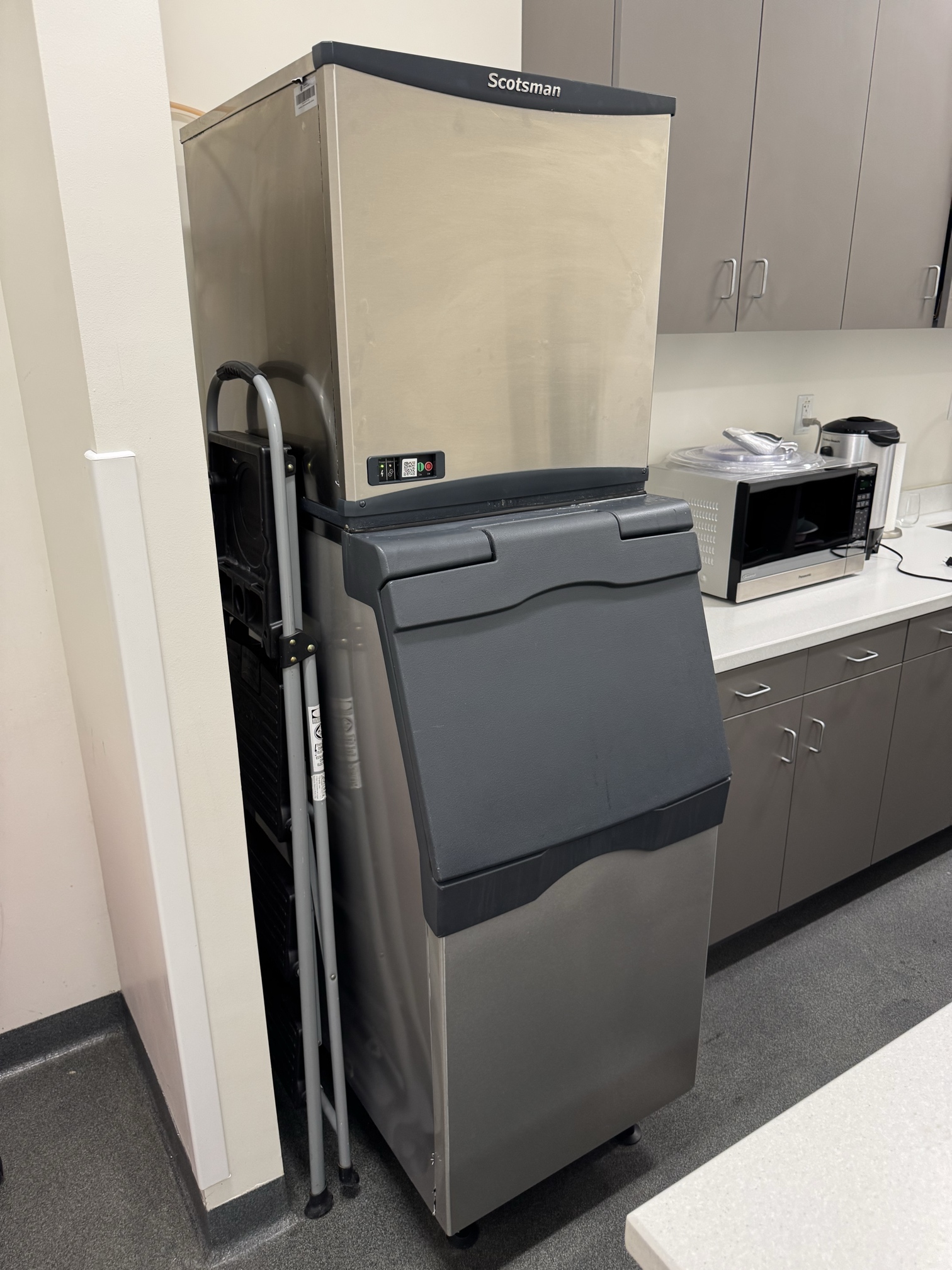
First, the local problem: Tampa water is hard
Scale forms fastest where water carries the most dissolved minerals, and that is exactly the situation across Tampa. City of Tampa water typically tests around 8 to 17 grains per gallon, and it climbs toward the top of that range in the dry season. For reference, anything above 7 grains per gallon is officially considered hard water, so Tampa sits comfortably in the hard zone all year.
Every gallon of that mineral rich water flows straight into your ice machine, and the C0522MW-1E turns it into ice all day long. The harder the water, the faster the minerals pile up inside. That is why a generic maintenance schedule copied from a manufacturer flyer often falls short here. What works in a soft water region is not enough for a busy Westshore kitchen or hotel running on Tampa city water.
What scale actually is, and why this machine makes it
Scale is a hard, chalky mineral deposit, mostly calcium carbonate and magnesium, that comes out of the water as it freezes and as water evaporates from the machine’s internal reservoir. Here is the key point that surprises many operators: an ice machine is a mineral concentrator. When water freezes into a cube it freezes almost pure, and it leaves the minerals behind in the water that did not freeze. That leftover water, now even more concentrated with minerals, gets purged, but a thin film of mineral rich water clings to the evaporator and the reservoir every cycle. As it dries and refreezes hundreds of times a day, the minerals build into a rock hard crust.
So the C0522MW-1E does not make scale because it is faulty. It makes scale because that is the physics of turning mineral bearing water into pure ice. Feed it Tampa’s hard water and that process simply runs faster. This is exactly why the machine is designed to be descaled on a schedule.
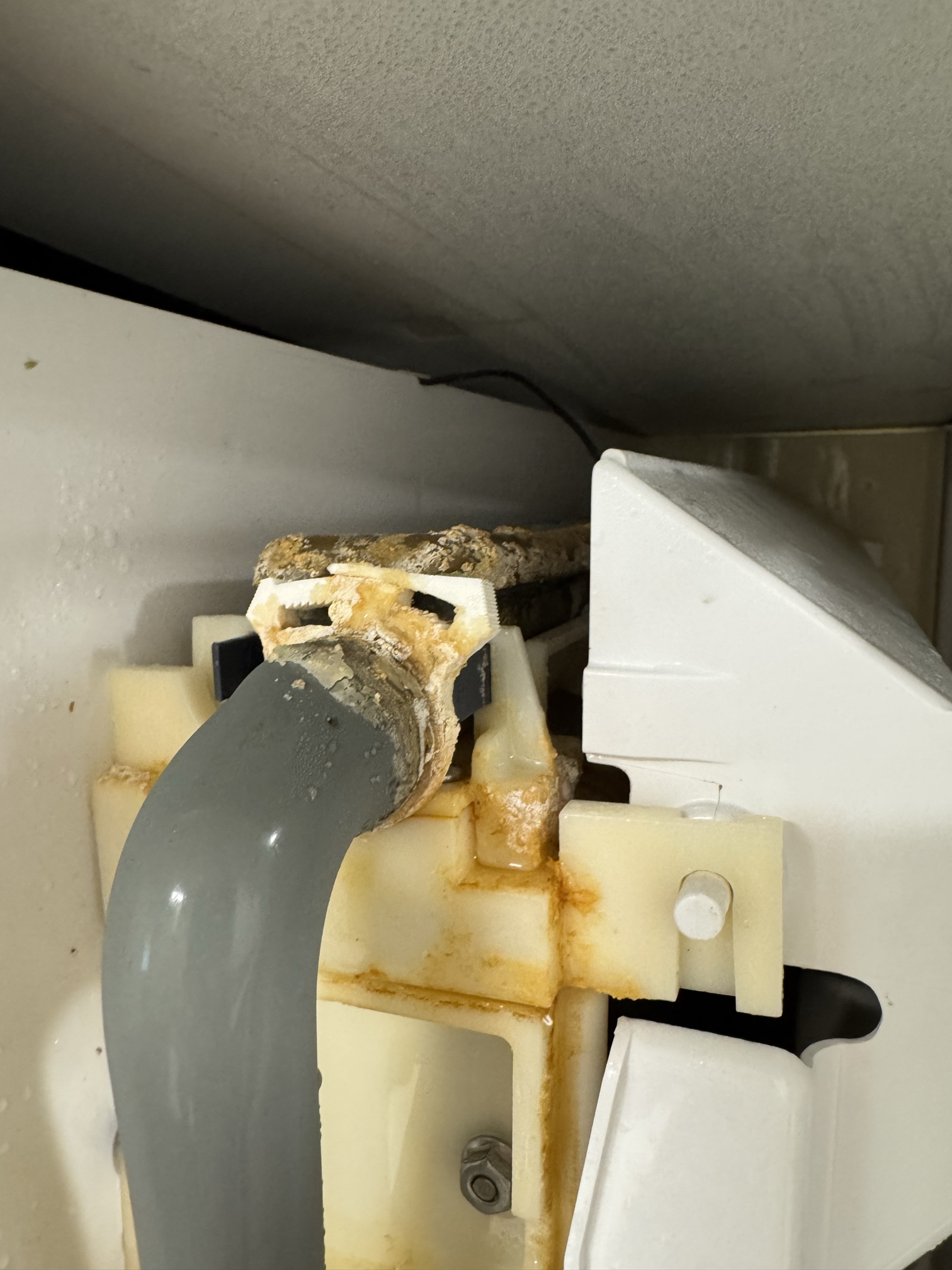
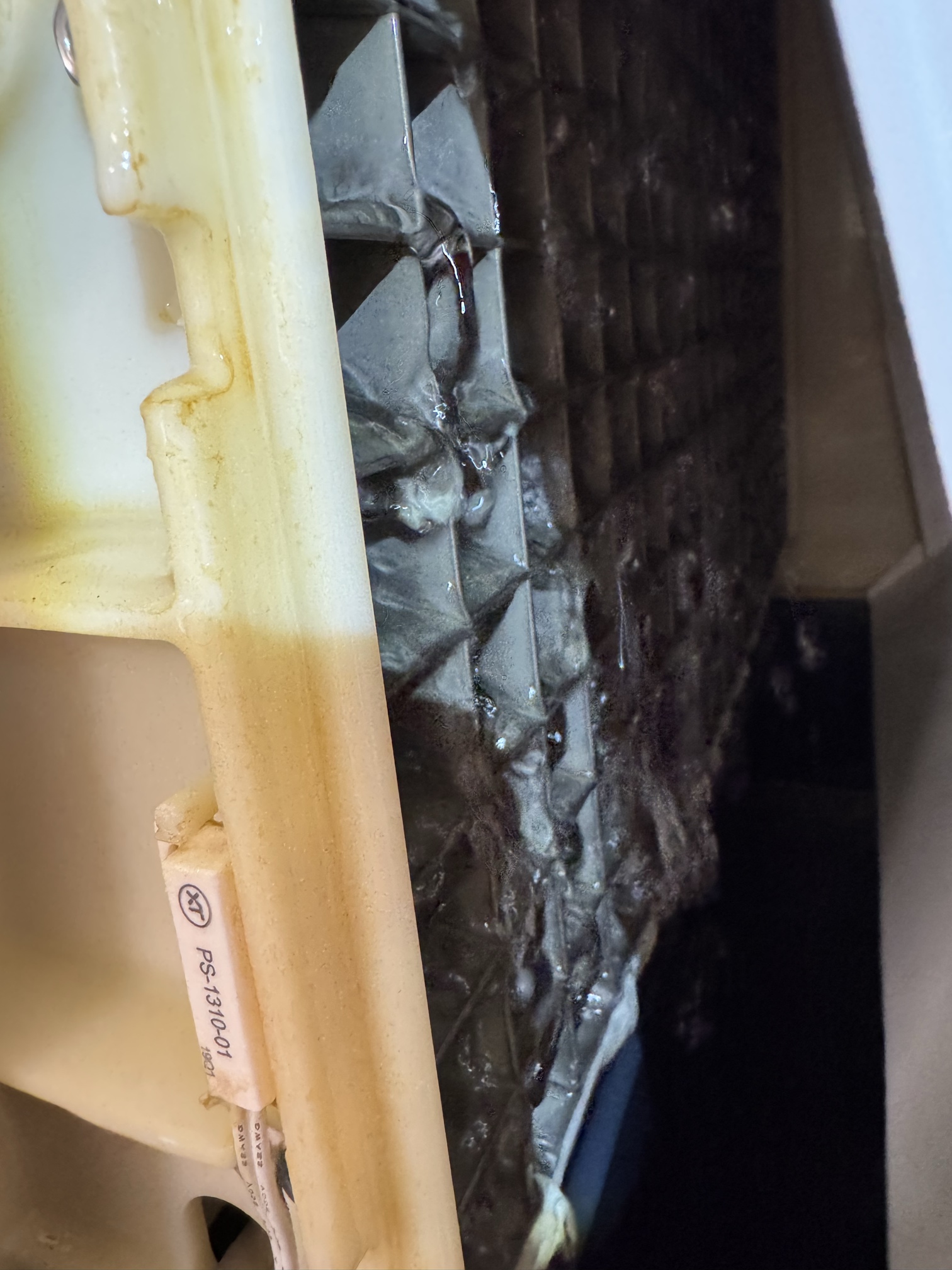
Why the evaporator is where scale hurts most
The heart of the C0522MW-1E is the evaporator, a plated grid where refrigerant behind the plate pulls heat out of the water flowing over the front, freezing it into a sheet of cubes. That freezing depends on efficient heat transfer through the metal. Scale is an excellent insulator, so even a thin layer on the evaporator acts like a blanket between the cold plate and the water.
The refrigeration system now has to work harder and longer to freeze the same amount of ice, which means longer freeze cycles, less ice per day, and higher energy use. Worse, scale roughens the smooth plate surface so cubes cannot release cleanly during the harvest cycle. That leads to cubes that stick, bridge together, or come out cloudy, small, and misshapen. A scaled evaporator is not just a cleanliness problem. It directly cuts the machine’s rated output and starts to change the ice itself, which is the first thing your staff and your customers notice.
The water system, float, and purge on a water cooled model
Because the C0522MW-1E is water cooled, it uses water in two ways: the potable water that becomes ice, and a separate flow of water through the condenser to remove heat from the refrigerant. Both paths carry the same Tampa minerals, so scale builds up in more places than on an air cooled machine.

On the ice side, scale collects in the water reservoir, the water pump, the distributor tube that spreads water across the evaporator, and the float valve that controls water level. A scaled float valve is a classic failure. It sticks and either starves the machine of water or lets it overflow, and it can trigger fault conditions. On the condenser side, scale in the water passages reduces heat rejection, so the machine runs hotter and less efficiently, which matters even more in a Florida summer.
This is a Prodigy Plus feature worth knowing: the WaterSense adaptive purge control adjusts how much mineral rich water is flushed each cycle to slow scale buildup, which lengthens the time between cleanings but does not eliminate the need to descale. So even with the machine’s built in scale reduction technology, the reservoir, pump, distributor, float, and condenser all still need periodic descaling, and in hard water they need it sooner.

Use the AutoAlert lights, do not wait for a breakdown
One of the best features on this model is AutoAlert, a set of indicator lights on the control panel that tell your staff when it is time to descale and when it is time to sanitize. The machine watches its own cycles and water conditions and turns on the descale indicator before performance falls off a cliff.
The single most valuable habit you can build is simple: when the descale light comes on, descale the machine. Do not wait until the ice looks bad or the bin runs low during a rush, because by then scale has already cost you production and stressed the components. Treat the AutoAlert descale light as a firm instruction, not a suggestion, and you will avoid most scale related problems entirely.

What happens if you never descale
Skipping descaling does not cause a sudden failure. It causes a slow, expensive decline that is easy to ignore until it is serious.
First, ice production drops as the insulating scale forces longer freeze cycles, so a machine rated for around 549 pounds a day quietly falls to a fraction of that. In Tampa that hurts most through the long summer, right when demand for ice peaks and a hotel or restaurant can least afford to run short. Second, the ice quality degrades, turning cloudy, small, soft, or bridged, which is a food quality and even a food safety concern in a commercial setting. Third, components fail early. A scaled float valve sticks, the water pump strains against restricted flow, and the distributor tube clogs so water no longer spreads evenly across the evaporator. Fourth, the machine runs hotter and uses more energy, raising your utility bill while making less ice.
Eventually a machine that could have been maintained with an inexpensive bottle of scale remover needs a service technician, replacement parts, and downtime during business hours. The real cost of not descaling is not the cleaning you skipped. It is the production, the parts, and the emergency service call you buy instead.
A note on health inspections
In Florida, ice is treated as a food, and inspectors look at how it is made and stored. A commercial ice machine caked in scale and biofilm is not just an efficiency problem, it is the kind of thing that draws a note on an inspection report. Keeping a clean descale and sanitize routine, and being able to show it, protects your ice, your customers, and your standing when the inspector walks in. It is a lot easier to stay ahead of that than to explain a slimy reservoir after the fact.
How to descale a Scotsman C0522MW-1E, step by step
Descaling is a defined procedure, and doing it correctly protects both the machine and your ice. Always use a nickel safe ice machine scale remover, such as Scotsman Clear 1, because ordinary acids and cleaners that are not nickel safe can damage the machine’s nickel plated surfaces. The scale remover is an acid, so handle it with care.
Start by removing the ice from the bin so no cleaning solution can contaminate stored ice. Begin the clean cycle by pressing and holding both the On Off button and the Clean Reset button for about five seconds, until the Time to Clean light blinks, signaling the clean cycle has started. Prepare the descaling solution as directed, typically premixed Scotsman Clear 1 or a mix of roughly 2.5 ounces of Clear 1 to a quart of warm water.
During the cycle the machine circulates the solution. The water system runs for about ten minutes, then the compressor runs for another five to eight minutes, moving the acid across the evaporator, reservoir, pump, and distributor to dissolve the scale. Keep the reservoir about half full of solution as the machine works, adding more as it draws it down. After the descale, run the required rinse cycles with fresh water so no acid remains, then sanitize separately with a nickel safe sanitizer to address slime and bacteria, which is a different job from descaling.
Scotsman’s own service team demonstrates this exact clean cycle on a Prodigy Plus modular cuber in their official walkthrough: How to clean a Scotsman Prodigy Plus modular cuber (video).
Safety when handling the descaler
Because scale remover is an acid, treat it accordingly. Wear gloves and eye protection, work in a ventilated area, and keep it off skin and surrounding surfaces. If you spill it, neutralize the spill promptly with baking soda and water, and flush any skin contact with plenty of water. Never mix scale remover with sanitizer or any other chemical. The descaling itself is straightforward, but the chemical demands normal acid handling precautions, which are easy to follow once your staff knows them.
How often to descale in Tampa
There is no single interval that fits every location, because how fast scale forms depends entirely on your water hardness and how hard the machine runs. Given Tampa’s hard water, a busy C0522MW-1E often needs a full descale every three to four months, not the twice a year figure you might see for softer water regions, and even sooner in the dry season when hardness peaks. High volume kitchens that run the machine flat out may need it even sooner.
Two things make this easy to manage. First, let the AutoAlert descale light guide you and never ignore it. Second, consider a good water filtration or treatment system upstream of the machine. Reducing the minerals going in is the most effective way to slow scale at the source, and in Tampa’s water it pays for itself in fewer cleanings, steadier ice output, and longer component life. Filtration does not replace descaling, but it stretches the interval and takes pressure off the machine.
The bottom line
Descaling is not optional maintenance on a Scotsman C0522MW-1E, it is the core task that keeps the machine producing its rated ice, clean and clear, day after day. Scale is the inevitable result of freezing mineral bearing water, and Tampa’s hard water speeds it up. It insulates the evaporator, sticks the cubes, clogs the reservoir, pump, distributor, and float, restricts the water cooled condenser, and slowly cuts production while raising energy use.
The machine helps you with WaterSense purge control and AutoAlert lights that tell you when to act, so the winning strategy is simple. Descale with a nickel safe scale remover whenever the light calls for it, follow the clean cycle correctly, rinse and sanitize, treat your hard water at the source, and plan on roughly every three to four months in Tampa. Do that, and you protect your ice quality, your production, and the life of the machine.
Need a hand in Tampa?
If your ice machine is making less ice than it used to, throwing water level faults, or the ice has turned cloudy and small, scale is the usual suspect, and a proper descale and service will often bring it right back. Our refrigeration and appliance repair team helps local Tampa businesses keep their equipment running. Tampa Bay Appliance Fix is same day when you need us, and every visit is backed by our workmanship warranty. See our full range of appliance services and the Tampa area we cover, or reach out and tell us what your machine is doing.
Frequently asked
How often should I descale my Scotsman C0522MW-1E in Tampa? Because Tampa’s water is hard, often 8 to 17 grains per gallon, scale forms quickly, so a busy machine commonly needs a full descale every three to four months rather than the twice a year figure used for soft water areas. The machine’s AutoAlert light signals when descaling is due based on its own cycles and water conditions, so let that light and your volume set the real schedule, and never ignore it. Adding water filtration slows scale at the source and can lengthen the interval.
What happens if I never descale my ice machine? Performance declines slowly and expensively. Scale insulates the evaporator, forcing longer freeze cycles, so a machine rated around 549 pounds a day quietly makes far less. Ice turns cloudy, small, soft, or bridged, which is a quality and food safety concern. Components fail early, including a stuck float valve, a strained water pump, and a clogged distributor tube, and on this water cooled model scale also restricts the condenser so the machine runs hotter and uses more energy. Eventually you need a technician, parts, and downtime during business hours. Skipping descaling does not save money, it trades an inexpensive cleaning for lost production and an emergency repair.
What descaler should I use on a Scotsman ice machine? Use a nickel safe ice machine scale remover, such as Scotsman Clear 1, because the machine has nickel plated surfaces that ordinary acids and non nickel safe cleaners can damage. The scale remover is an acid, so handle it with gloves and eye protection, keep it off skin and surfaces, and neutralize spills with baking soda and water. Follow the mix directions, typically premixed Clear 1 or about 2.5 ounces of Clear 1 to a quart of warm water. Never substitute a random household descaler or mix it with sanitizer.
How do I start the clean cycle on the C0522MW-1E? First remove all ice from the bin so no cleaning solution contaminates stored ice. Then press and hold both the On Off button and the Clean Reset button for about five seconds until the Time to Clean light blinks, which signals the clean cycle has started. Add the nickel safe scale remover solution to the reservoir, and during the cycle the water system runs about ten minutes and then the compressor runs another five to eight minutes to circulate the acid across the internal parts. Keep the reservoir about half full of solution as it works. After descaling, run the fresh water rinse cycles so no acid remains, then sanitize separately.
Is descaling the same as sanitizing? No, they are two different jobs, and you need both. Descaling uses a nickel safe acid to dissolve the hard mineral scale that builds up on the evaporator, reservoir, pump, distributor, float, and condenser, which protects ice production and quality. Sanitizing uses a nickel safe sanitizer to kill the slime, mold, and bacteria that can grow in the moist interior, which protects food safety. The AutoAlert system signals both, and the proper routine is to descale first, rinse thoroughly, and then sanitize. Do not treat one as a substitute for the other.
Where to learn more
Helpful references on this topic: